
February 26 - The natural history of the Bible
Section outline
-
 What were the motives and precepts of rational theology? For most Enlightenment scholars they could be neither prior to nor beyond the reach of the history of religious tradition. Was the search for a universally legible Bible drawing on rigorous textual criticism then an invitation to vernacular separatism, or could it aid the study of universal religion? What did naturalistic readings of the Bible mean for theology?
Discussion leader: Richard
Assigned reading:
"The laws of the Israelites. The first book. [Genesis 1]," from[Johann Lorenz Schmidt], Die göttlichen Schriften vor den Zeiten des Messie Jesus: nach einer freyen Ubersetzung, welche durch und durch mit Anmerkungen erläutert und bestätiget wird [The Divine Scriptures from before the Times of Jesus: According to a Free Translation which is Completely Explained and Affirmed with Annotations] (Wertheim, 1735). [German original]
Jonathan Sheehan, "From philology to fossils: The Biblical encyclopedia in early modern Europe," Journal of the History of Ideas 64 (2003): 41-60.Suggested reading:
Jonathan Sheehan, The Enlightenment Bible: Translation, Scholarship, Culture (2005), especially chapter 7, "History: The archival and alien Old Testament."
William Clark, "The death of metaphysics in Enlightened Prussia," The Sciences in Enlightened Europe, W. Clark, J. Golinski, S. Schaffer, eds. (1999), 423-473.
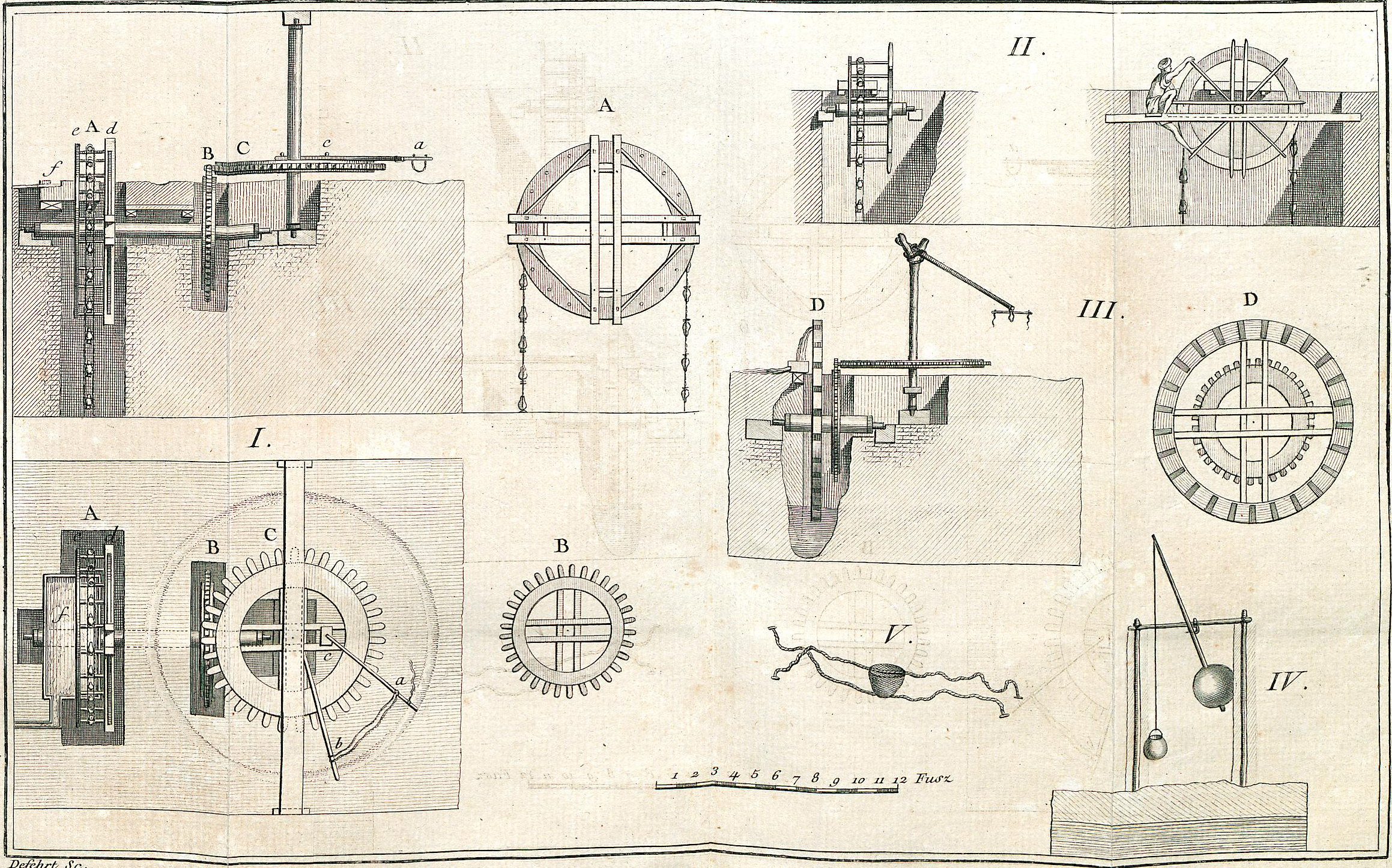
Carsten Niebuhr, Reisebeschreibung nach Arabien und andern umliegenden Ländern (Copenhagen, 1774-1778). (image above)
Nicolaas A. Rupke, "The Bible and science," The New Cambridge History of the Bible, vol. 4 (2015), 707-724.
Scott Gerard Prinster, "Naturalizing the Bible: The Shifting Role of the Biblical Account of Nature," in Harrison and Roberts, Science Without God (2019).
Additional bibliography about European demotic translations of the Bible.
-